

Aluminum Door Energy Efficiency & Thermal Breaks
Energy Efficient Aluminum Doors: The Benefits of Thermal Breaks
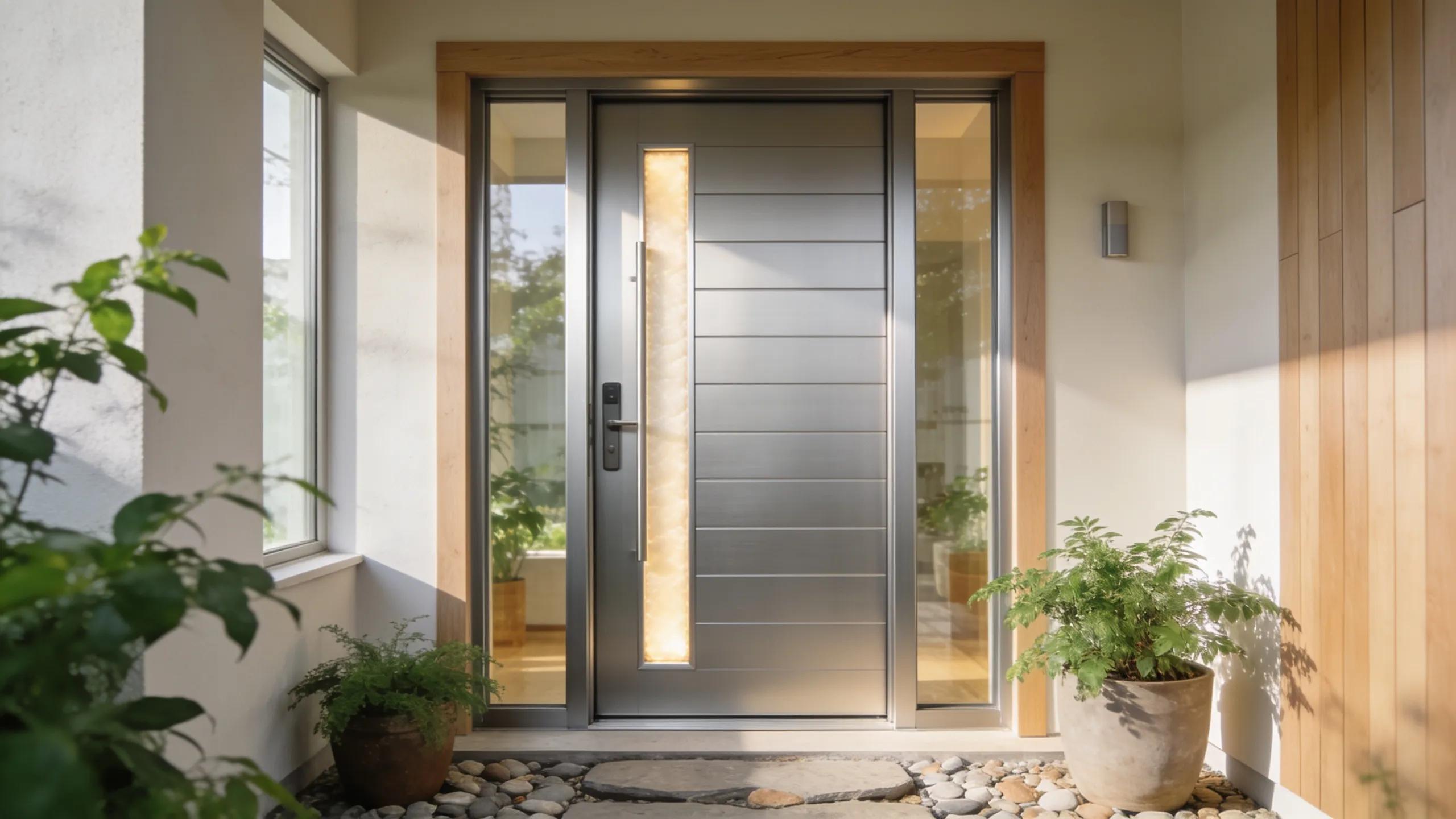
Aluminum doors are increasingly recognized for their energy efficiency, especially when equipped with thermal break technology. This innovation significantly enhances insulation, making these doors an ideal choice for both residential and commercial applications. In this article, we will explore how to identify energy-efficient aluminum doors, the benefits they provide, and how thermal break technology contributes to their overall performance. Understanding these concepts not only helps save on energy costs but also ensures a more comfortable indoor environment.
We’ll delve into several sections that cover the key benefits of energy-efficient aluminum doors, unpack the thermal break technology, and highlight how these features translate into savings and sustainability for property owners. Finally, we’ll discuss the crucial factors to consider when selecting these doors, including installation processes and the importance of quality customization.
Benefits of Energy-Efficient Aluminum Doors
Energy-efficient aluminum doors offer a range of advantages that make them a valuable investment for property owners. These benefits include significant energy savings, improved indoor comfort, and durability over time.
- Energy Savings: By minimizing heat transfer, energy-efficient aluminum doors contribute to lower utility bills and reduced carbon footprints.
- Comfort: They help maintain stable indoor temperatures, enhancing comfort in both residential and commercial spaces.
- Durability: Aluminum is inherently resistant to weathering and corrosion, which means these doors require less maintenance and have a longer lifespan.
Custom doors from companies like JB Custom Doors and More further enhance these benefits by meeting specific energy efficiency needs, providing tailored solutions that maximize performance.
What is Thermal Break Technology in Aluminum Doors?
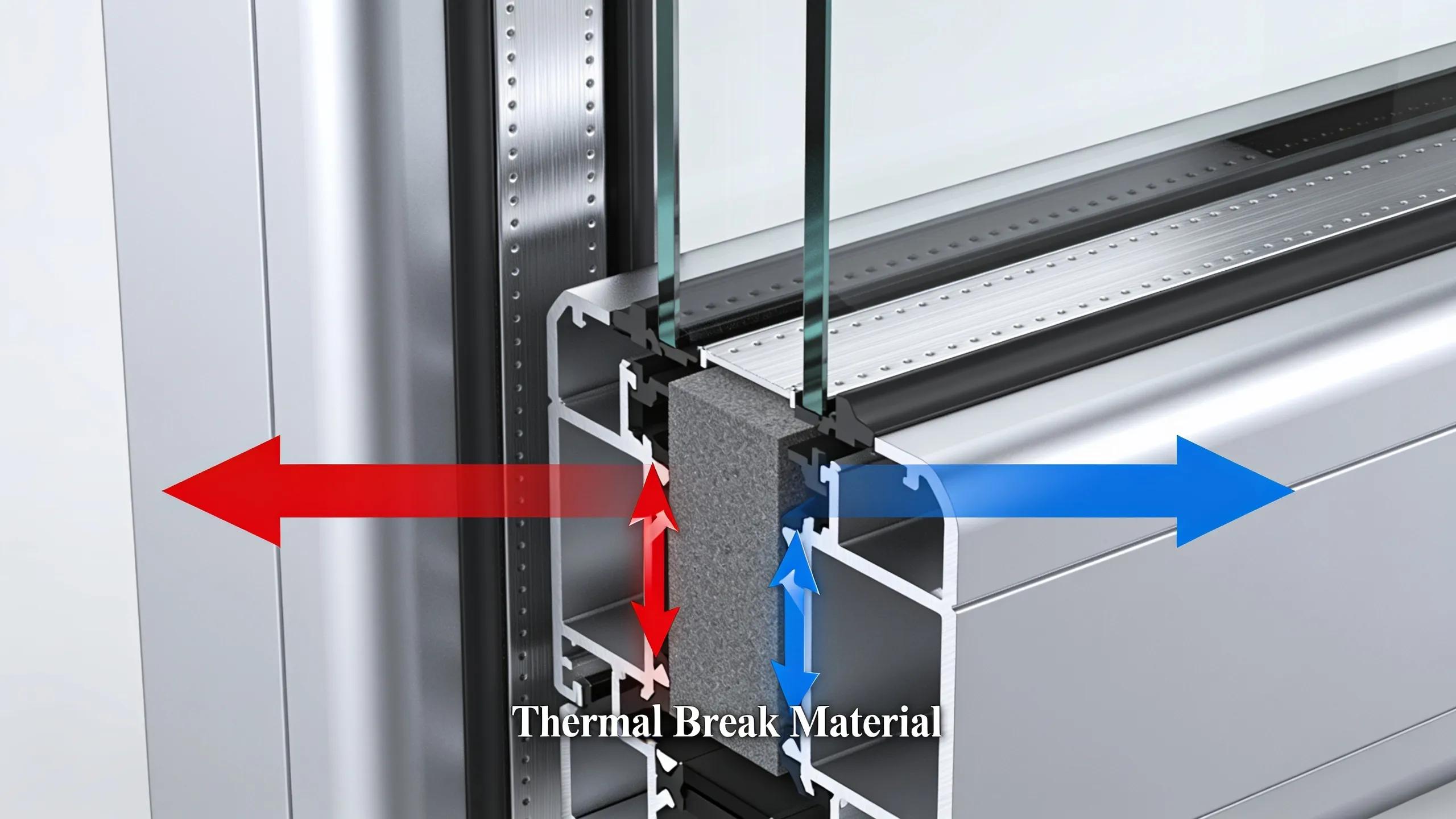
Thermal break technology in aluminum doors involves inserting a material with poor thermal conductivity between the exterior and interior frames, significantly reducing heat transfer. This technology is pivotal for energy efficiency, providing improved insulation and comfort within buildings.
How do thermal breaks reduce heat transfer in aluminum doors?
Thermal breaks reduce heat transfer by interrupting the flow of heat through the metal frame of the door. This is accomplished by utilizing materials that do not conduct heat well, which leads to significant thermal resistance. For example, with proper thermal breaks, the temperature difference between the inside and outside of a building can be effectively minimized, allowing for more consistent indoor temperatures.
Which materials are used for thermal breaks in energy efficient doors?
Common materials used for thermal breaks include polyamide, polyurethane, and vinyl. These materials possess low thermal conductivity, enhancing the energy efficiency of aluminum doors. Each material has its benefits, such as improved energy performance or better longevity, thus contributing to the overall effectiveness of the door in maintaining comfortable indoor environments.
What Are the Key Benefits of Energy Efficient Aluminum Doors?
The primary benefits of energy-efficient aluminum doors extend beyond mere aesthetics and contribute to long-term savings and sustainability.
- Cost Savings: By optimizing insulation, these doors can lead to significant reductions in energy bills, which is crucial in today’s economic climate.
- Enhanced Lifespan: The durable nature of aluminum ensures that these doors can withstand the elements, reducing the need for frequent replacements.
- Environmental Impact: Installing energy-efficient doors supports sustainability goals by reducing energy consumption and lowering greenhouse gas emissions.
Maximizing Energy Savings with Aluminum Door Technology
Aluminum doors play a vital role in improving energy savings for both residential and commercial properties. Their thermal insulating properties help reduce reliance on heating and cooling systems, which can lead to substantial cost savings.
- Adaptability: These doors feature thermal break technologies that allow them to be effectively used in various climates and settings.
- Sealing Mechanisms: Effective weather sealing enhances the thermal performance, preventing drafts and heat loss.
- Financial Benefits: The reduction in energy consumption not only lowers utility costs but also makes properties more appealing due to better energy ratings.
What is the role of R-values and thermal performance ratings?
R-values measure a door’s resistance to heat transfer; the higher the R-value, the better the thermal performance. For aluminum doors, understanding R-values is essential when selecting energy-efficient products.
- The R-value impacts energy costs significantly, making it a critical factor in choosing aluminum doors with thermal break technology.
- Standard R-value ranges for aluminum doors can vary based on the design and thermal break materials used, typically seen between R-2 and R-6.
- Ensuring that selected products meet or exceed minimum energy codes can greatly enhance the efficiency of a building.
How Are Custom Thermal Break Aluminum Doors Fabricated and Installed?
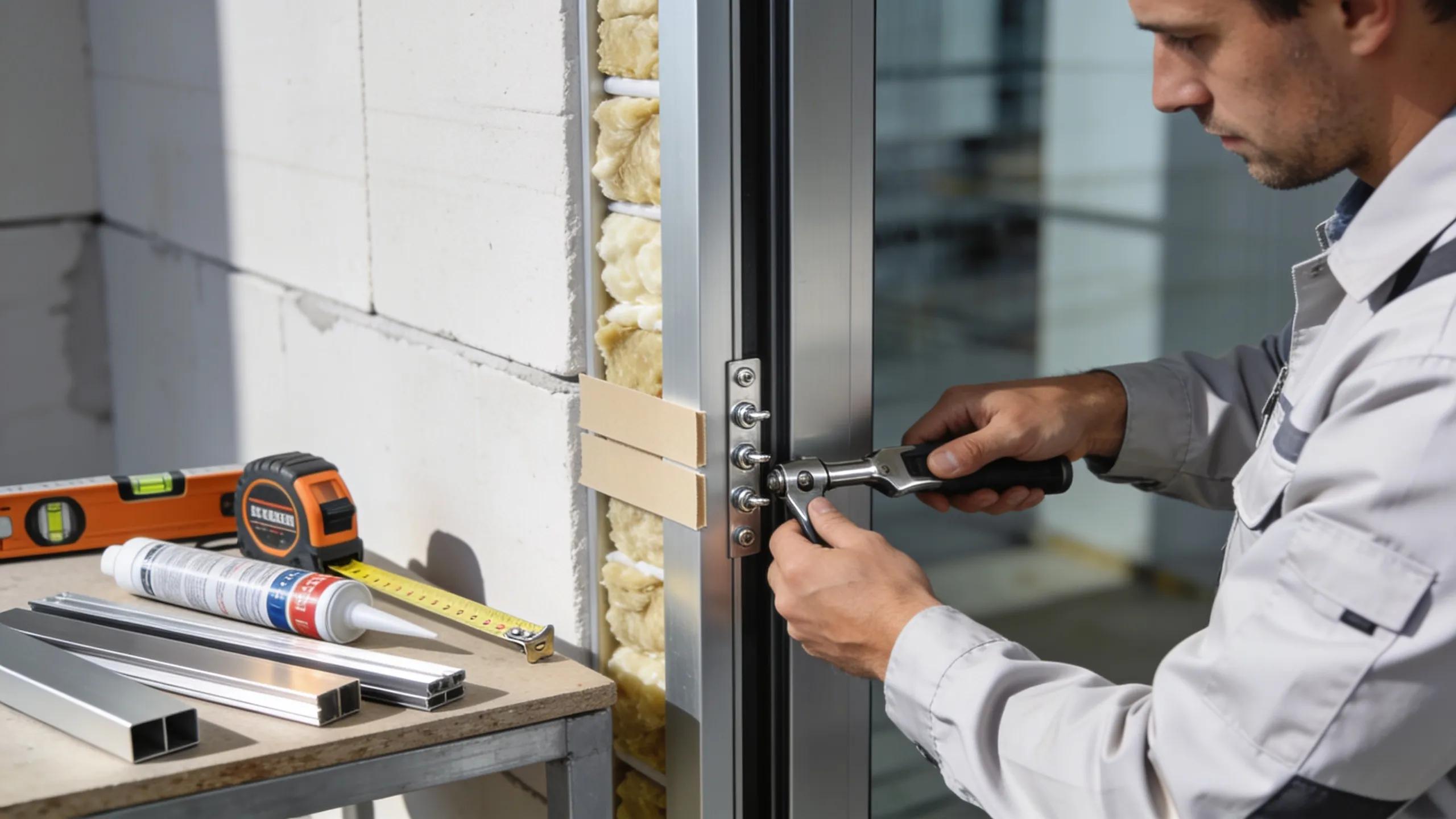
Custom thermal break aluminum doors are crafted carefully to ensure each product meets specific energy efficiency needs. The fabrication process involves several steps:
- Design Specifications: Custom door designs are created based on customer preferences and energy efficiency requirements.
- Material Selection: High-quality materials tailored for thermal breaks and overall performance are selected.
- Professional Installation: Precision installation is critical. Professionals ensure that each door is installed accurately to maximize energy efficiency.
What customization options are available for metal door designs?
Customization options for aluminum doors vary, allowing homeowners and businesses to select features that align with their aesthetic and functional requirements.
- Finishes and Colors: A variety of paints and finishes can improve the door’s appearance and weather resistance.
- Sizes: Custom sizing ensures a proper fit for unique architectural designs, enhancing both insulation and functionality.
- Material Flexibility: The integration of different materials for added design flexibility can help meet specific aesthetic goals.
What installation processes ensure optimal energy efficiency?
To guarantee optimal energy efficiency with custom thermal break doors, certain installation practices must be followed:
- Accurate Measurements: Proper measuring is crucial to ensure the door fits perfectly within its frame, which helps maintain effective insulation.
- Seal Application: Using high-quality seals and caulking around the doors can prevent air leaks, further improving energy efficiency.
- Post-Installation Checks: Regular maintenance checks post-installation ensure that the doors remain efficient over time.
How Do Costs and Energy Codes Affect Choosing Thermal Break Doors?
Understanding the costs associated with thermal break aluminum doors is essential for making informed buying decisions.
- Cost-Benefit Analysis: While upfront costs may be higher compared to standard doors, the long-term savings in energy costs often justify the investment.
- Energy Codes: Compliance with local energy codes can guide the selection process, ensuring that the doors installed meet mandatory efficiency standards.
- Financial Incentives: Many localities offer tax incentives or rebates for installing energy-efficient doors, thus offsetting initial costs.
What is the ROI of investing in thermal break aluminum doors?
Investing in thermal break aluminum doors can result in significant returns over time.
- Energy Savings: Homeowners can expect reduced energy bills, leading to quicker recovery of the investment cost.
- Property Value Increase: Enhanced energy efficiency can increase property value, appealing to future buyers.
- Longevity Benefits: The durability of aluminum leads to fewer replacements, making the overall cost lower in the long run.
Which building energy codes and certifications apply to these doors?
Selecting energy-efficient aluminum doors requires adherence to various building energy codes and certifications.
- Energy Star Certification: Many thermal break doors qualify for Energy Star ratings, indicating superior energy performance.
- Local Energy Codes: Compliance with codes ensures that the installation meets local efficiency requirements and standards.
- Sustainability Certifications: Some products may also hold certifications that promote environmental sustainability, enhancing their appeal to eco-conscious consumers.
Different companies, like JB Custom Doors and More, specialize in delivering products that not only meet these requirements but often surpass them with innovative designs and materials.