

Custom Metal Railings Overview
Custom Metal Railings: Expert Guide to Design and Installation
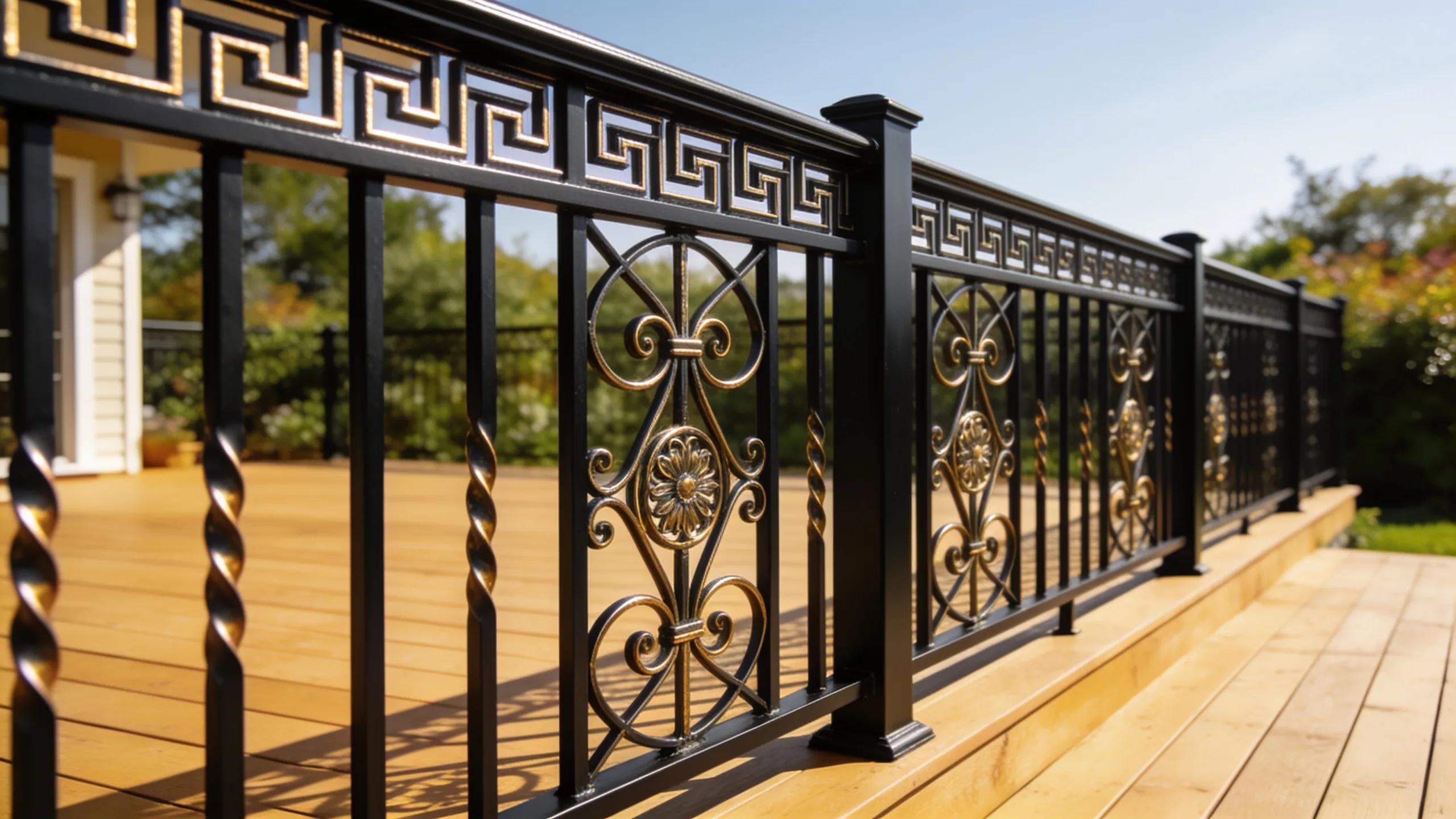
Custom metal railings serve as both functional and aesthetic elements in numerous settings, from residential decks to commercial spaces. These railings not only enhance safety but also provide a unique design element that can elevate outdoor aesthetics. The scope of this article is to provide an in-depth look at custom metal railings, including the various types available, the installation process, and the factors that influence pricing. Whether you’re considering a stylish upgrade or a practical installation, understanding these aspects will help you make informed decisions. This overview will cover the main types of custom metal railings, delve into the installation process, explore pricing influencers, and offer maintenance tips to ensure longevity.
What Are the Main Types of Custom Metal Railings?
Custom metal railings come in various designs and materials, each catering to distinct aesthetic preferences and functional requirements. The primary types of custom metal railings include:
- Wrought Iron Railings: Known for their strength and durability, wrought iron railings can be intricately designed to fit specific architectural styles.
- Aluminum Railings: Lightweight yet robust, aluminum railings are resistant to rust, making them ideal for coastal areas.
- Stainless Steel Railings: These railings offer a modern aesthetic with exceptional strength and minimal maintenance, perfect for contemporary designs.
Each type boasts unique characteristics, allowing property owners to choose based on their specific needs and tastes.
How Is the Installation Process for Outdoor Metal Railings Completed?
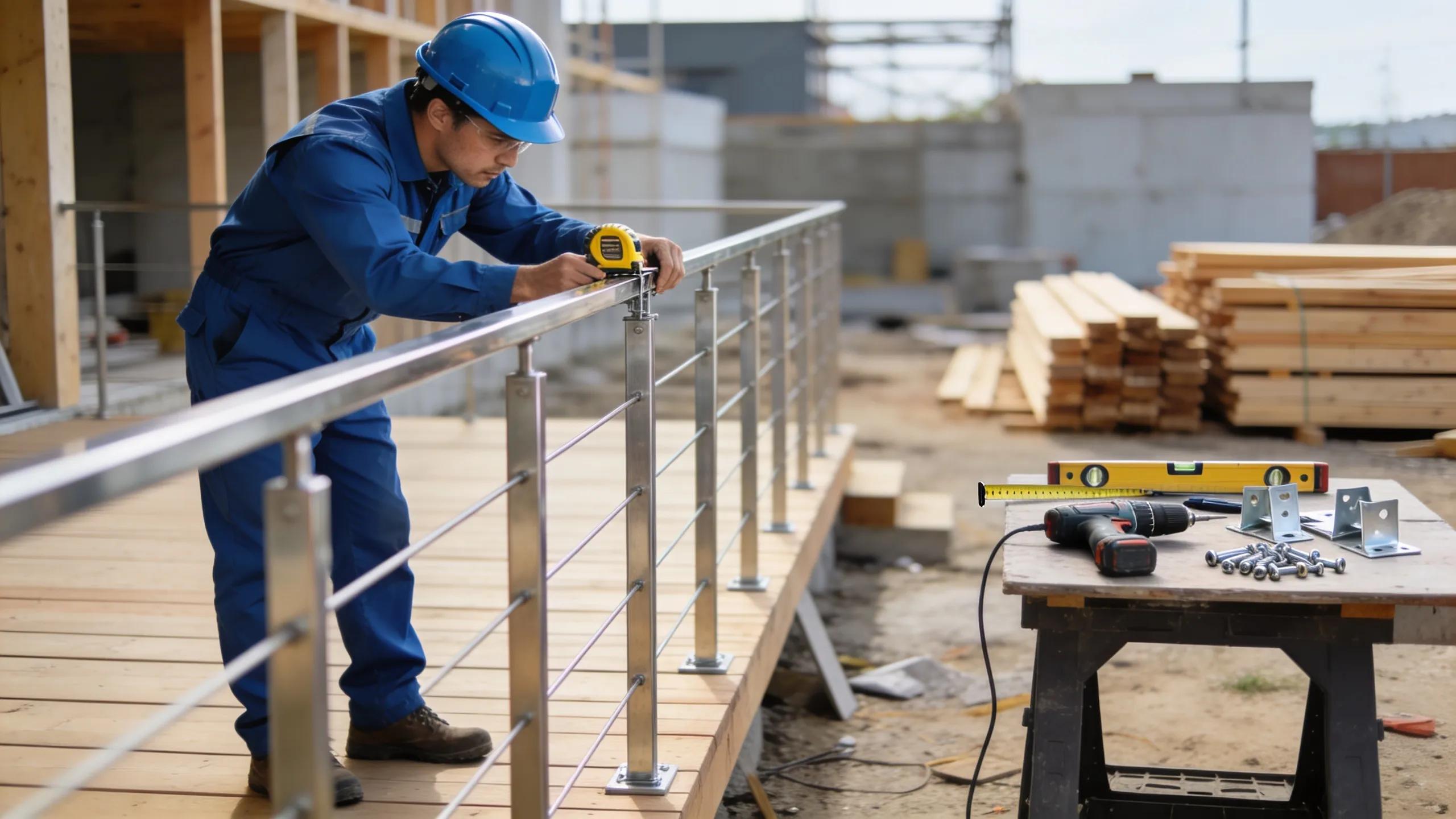
The installation of outdoor metal railings involves several critical steps to ensure durability and safety. Here’s a breakdown of the typical installation process:
- Site Assessment: A professional will evaluate the area where the railings will be installed to ensure a proper fit and adherence to local building codes.
- Design and Customization: Based on preferences, the design is finalized, and any custom specifications are incorporated.
- Fabrication: The chosen materials are cut and prepared according to the design specifications.
- Installation: The railings are securely attached, ensuring they meet safety standards.
What Should Property Owners Expect for Deck and Stair Railing Setup?
Property owners should expect a detailed setup process when installing deck and stair railings. Some key aspects include:
- Pre-installation Requirements: This involves ensuring the installation site is cleared and accessible for the installation team.
- Installation Techniques: Common methods include the use of brackets and welding, depending on the material and design.
- Expected Timelines: The overall installation typically takes several hours to a couple of days, depending on the complexity of the project.
A seamless installation is paramount in providing safe and attractive railings.
What Factors Influence Custom Metal Railing Prices?
Several key factors affect the pricing of custom metal railings, including the type of material selected, the complexity of the design, and labor costs.
| Material Type | Cost Range | Durability |
|---|---|---|
| Wrought Iron | $50 – $100 per foot | Very High |
| Aluminum | $30 – $80 per foot | High |
| Stainless Steel | $60 – $120 per foot | Very High |
When budgeting for your railing project, it’s important to consider these variables to align expectations with financial planning.
What Should You Know About Requesting Quotes from Fabricators?
When seeking quotes from fabricators, consider the following:
- Effective Communication Tips: Clearly state your design preferences, material choices, and project scope to ensure accurate pricing.
- Essentials to Provide: Supply any necessary architectural plans or existing structural details that may influence the fabrication.
- Criteria for Evaluating Quotes: Compare not just pricing, but also materials offered, estimated timeframes, and warranty options to ensure quality.
Acquiring multiple quotes can help you find the best balance of quality and value for your metal railings.
How Can You Maintain and Preserve Custom Metal Railings?
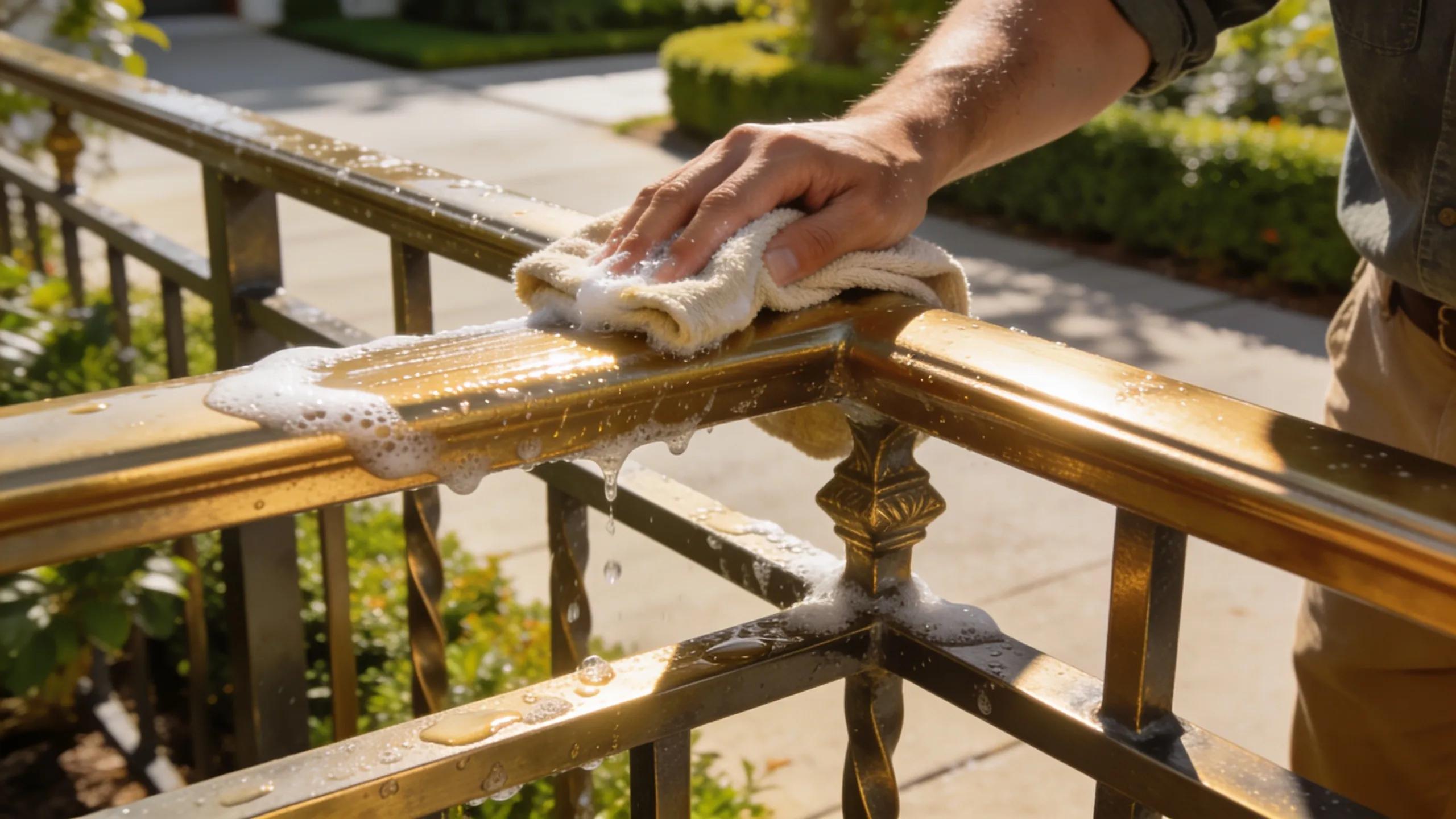
To ensure the longevity of custom metal railings, regular maintenance is crucial. Key maintenance practices include:
- Cleaning Techniques: Regularly clean the railings with a mild soap solution to prevent buildup of dirt and grime, especially in coastal areas where salt can cause corrosion.
- Protective Treatments: Consider applying rust-resistant coatings periodically to enhance the durability of metal railings.
- Inspection Schedules: Schedule annual inspections to catch any signs of wear or damage early, ensuring safety and longevity.
How to Address Common Repairs and Long-Term Upkeep?
Addressing repairs promptly is essential for maintaining the integrity of metal railings. Key practices include:
- Regular Maintenance Routines: Keep an eye on screws and bolts to ensure they are tightened and secure.
- Common Repair Issues: Look for rust spots or damage to paint which may indicate underlying issues.
- Preventive Measures: Keep the railings free from debris and periodically apply protective coatings to prevent deterioration.
Implementing these strategies will help preserve the appearance and function of custom metal railings over time, ensuring they remain an asset to your property.